Wind Resource Assessment in Complex Terrain
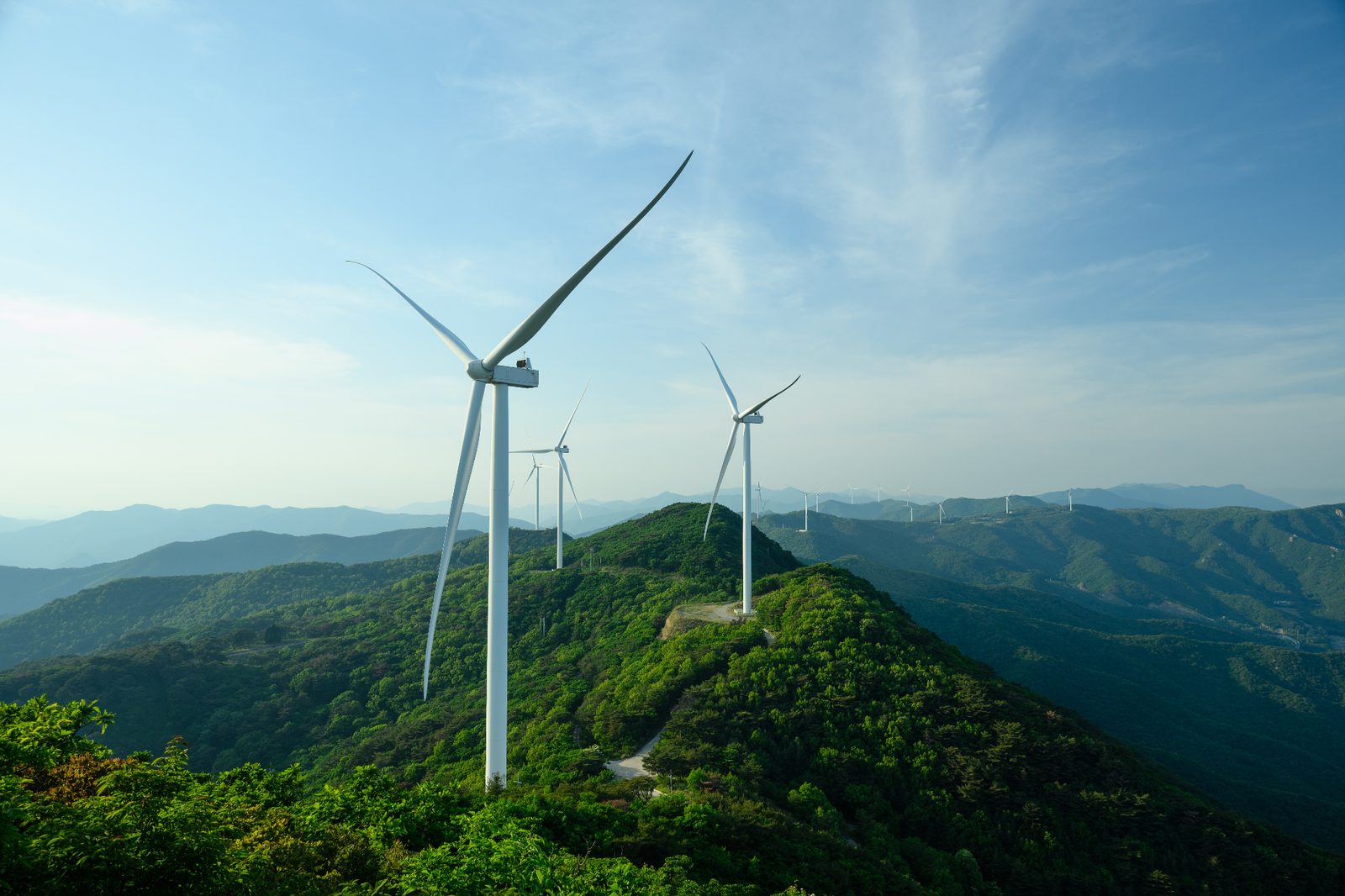
Wind resource assessment is one of the most crucial elements to consider when determining the success of a wind turbine project. Beyond seasonal patterns, complex terrain changes how wind behaves. Steep slopes, ridges, and abrupt terrain transitions can increase turbulence and create highly variable flow across a wind farm. While these effects may not be obvious early on, they can influence energy yield, turbine fatigue loading, and long-term performance.
Evaluating Impacts
Why is this important? Feasibility is a key stage in any renewables project; having an accurate model of energy output enables better decision-making. For wind projects, lenders need to know if site complexity has been properly reflected in the modelling approach. While linear flow models can be appropriate for simple sites, they may underrepresent turbulence and spatial variability for sites with complex terrain. Without an appropriate analysis, linear flow models can lead to optimistic energy yield assumptions or overlooked fatigue risk that only emerges later in due diligence or operation.
BTY's Value Add
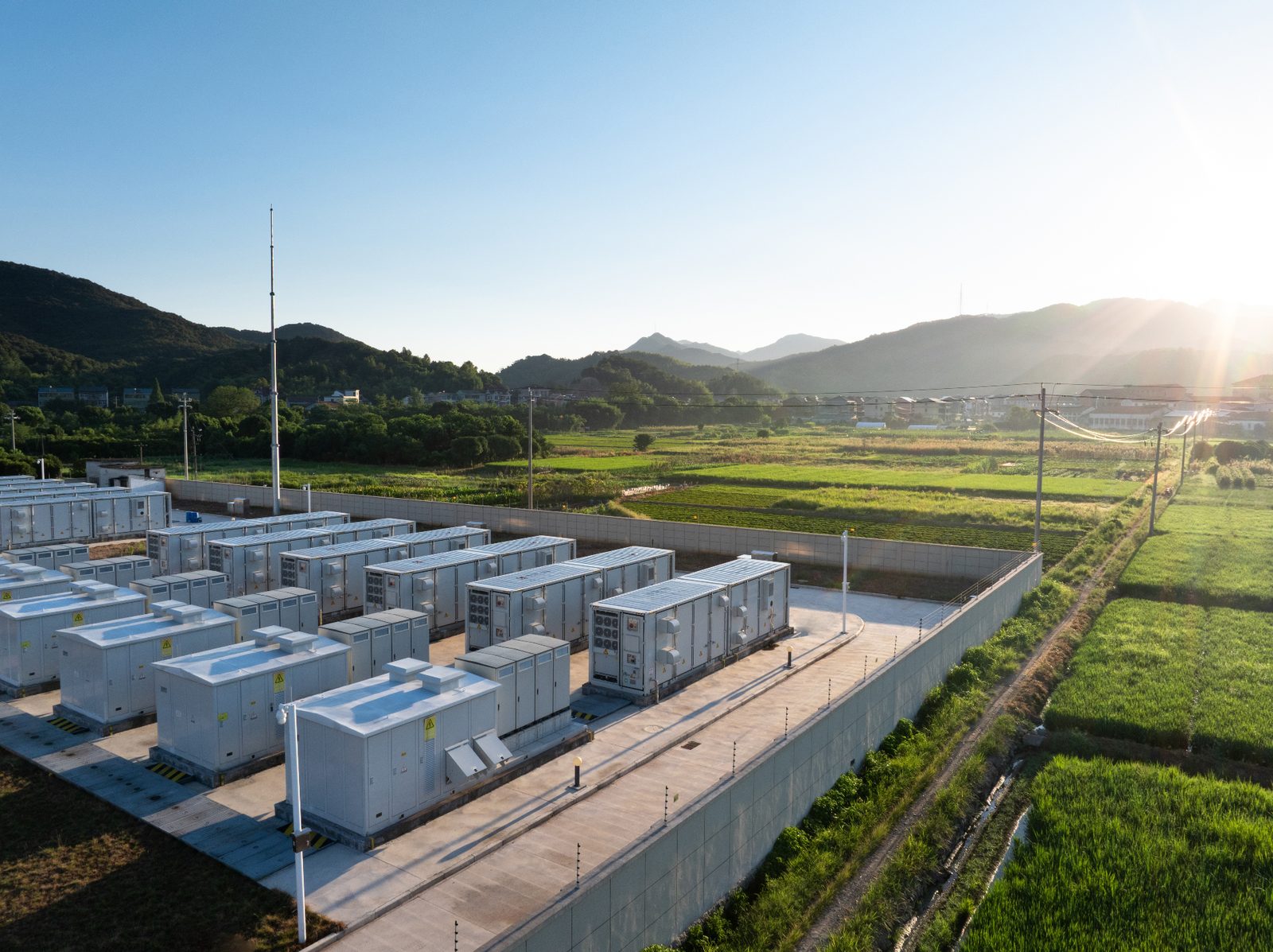
BTY's Renewables Advisory team advises on over 190GW of energy assets across Wind, Solar, and BESS. We evaluate risk to protect public and private sector client interests on complex infrastructure projects across the globe.
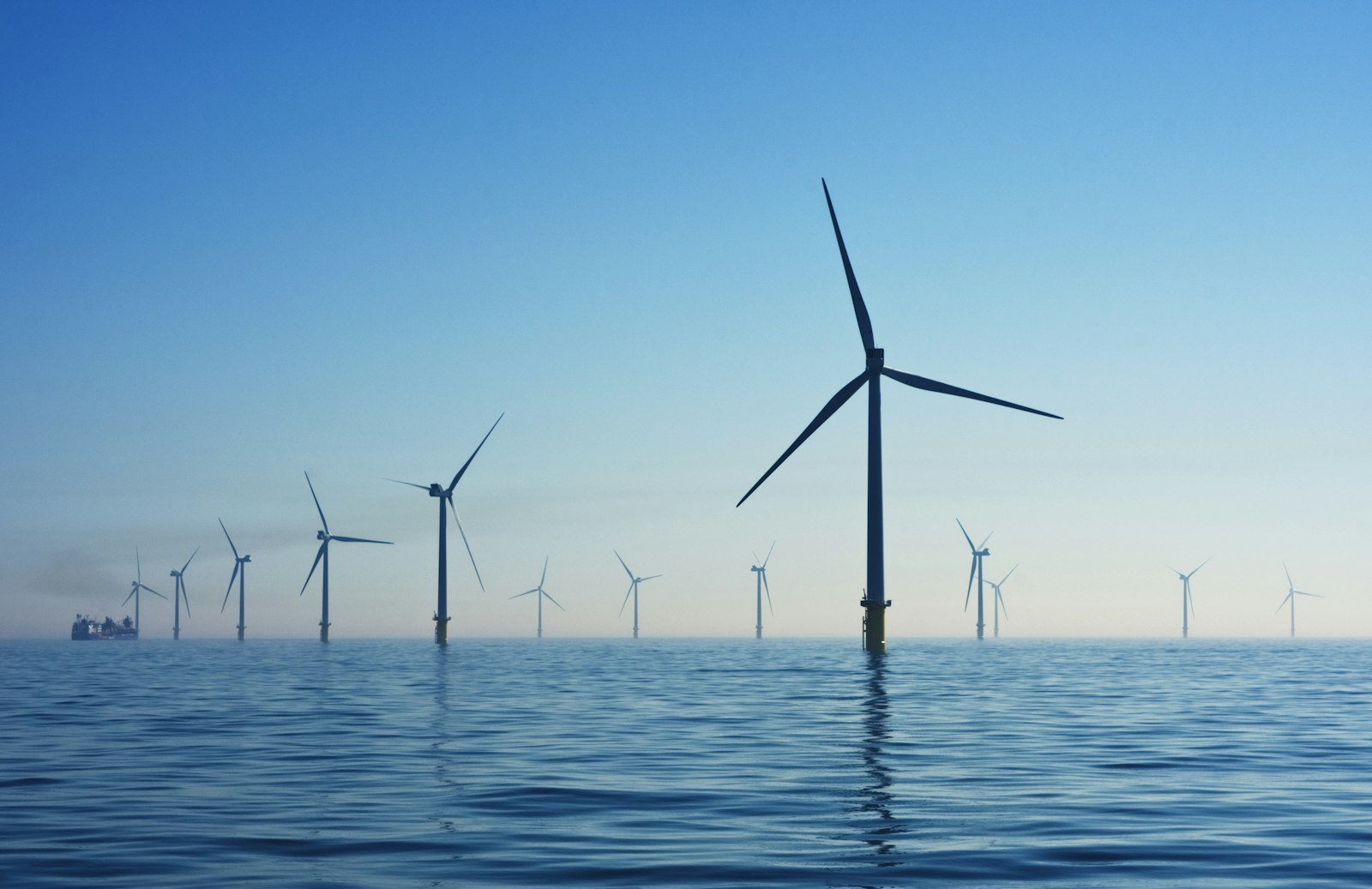
On wind energy projects, we help developers and lenders manage risk by applying fit-for-purpose wind flow modelling. For complex sites, this typically includes Computational Fluid Dynamics supported by high-resolution terrain data, as well as targeted site visits. We also assess how flow complexity feeds into wind turbine wake effects and overall uncertainty, so that energy yield estimates, fatigue risk, and P50/P90 outcomes are aligned and defensible for financing decisions.
Site selection is an especially important factor in wind energy projects as it dictates overall output. BTY's experts bring more than decades of experience helping clients navigate risk, understand cost, and provide the technical due diligence required for success. Contact a member of our team for support with your next project.
PhD-qualified Renewable Energy Specialist with 10+ years across wind, solar, BESS and hydro. Deep expertise in wind energy yield assessment, engineering, construction and operations monitoring, and technical advisory for developers, owners and lenders. (Ex-Mott MacDonald)