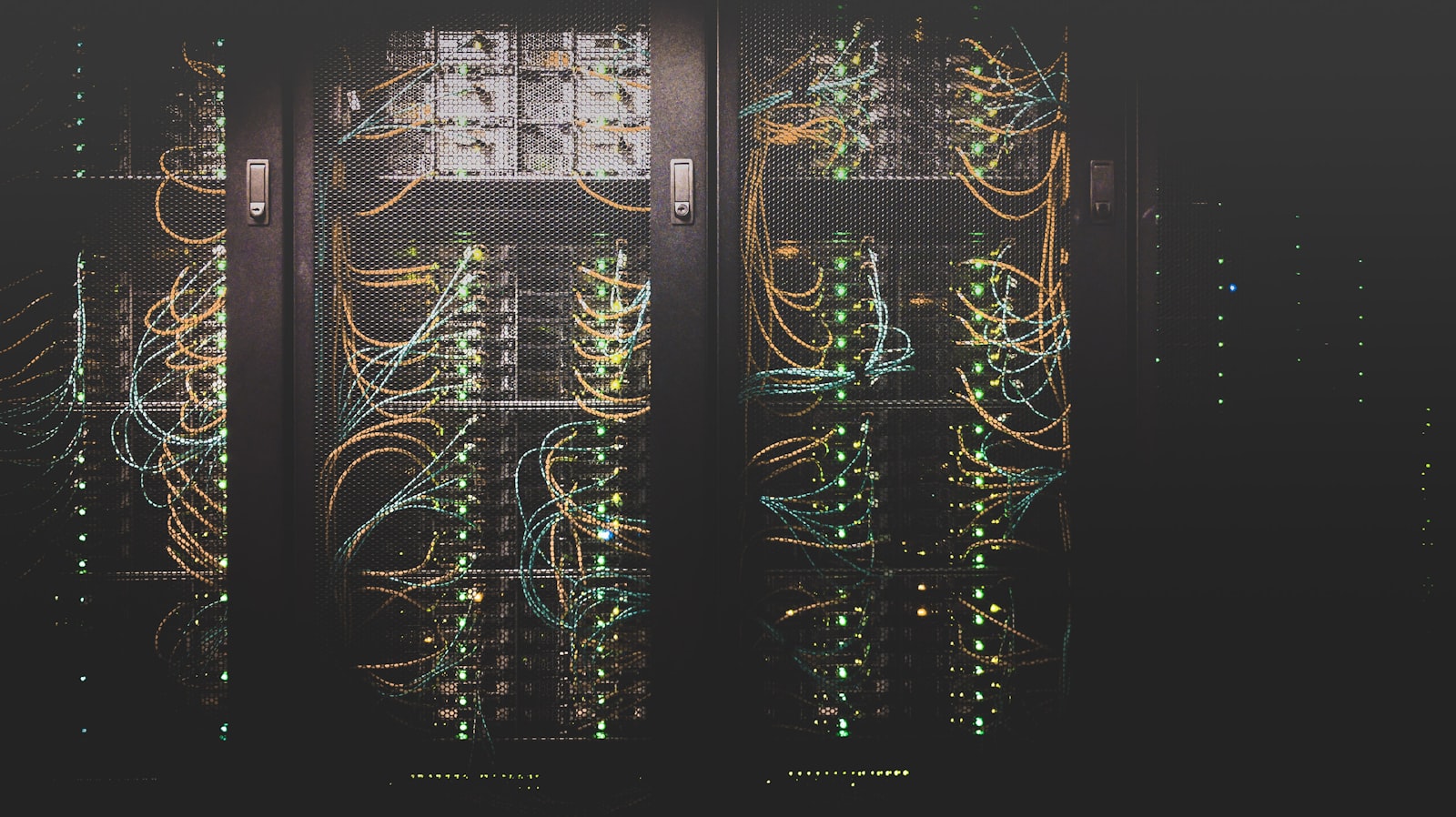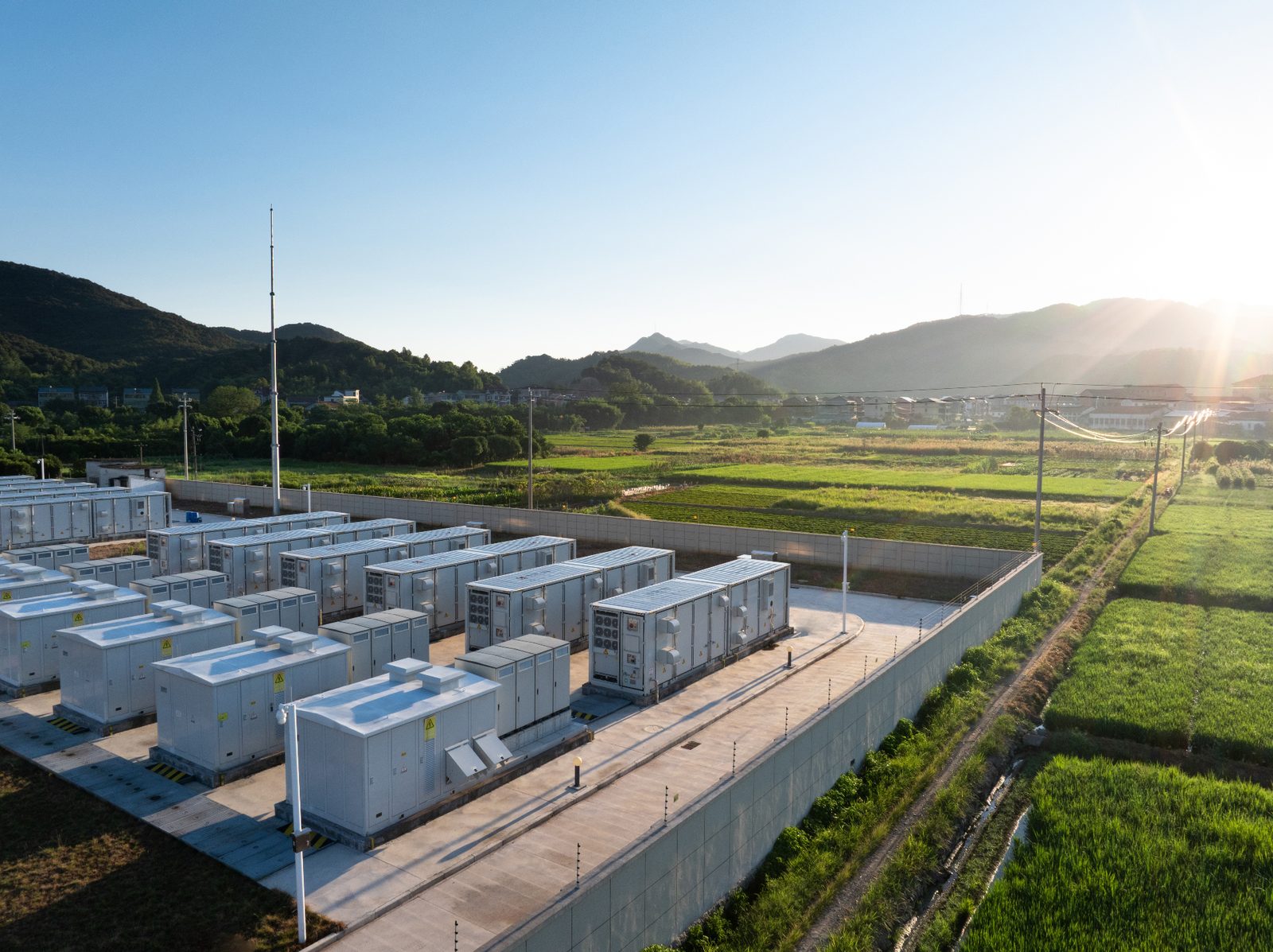
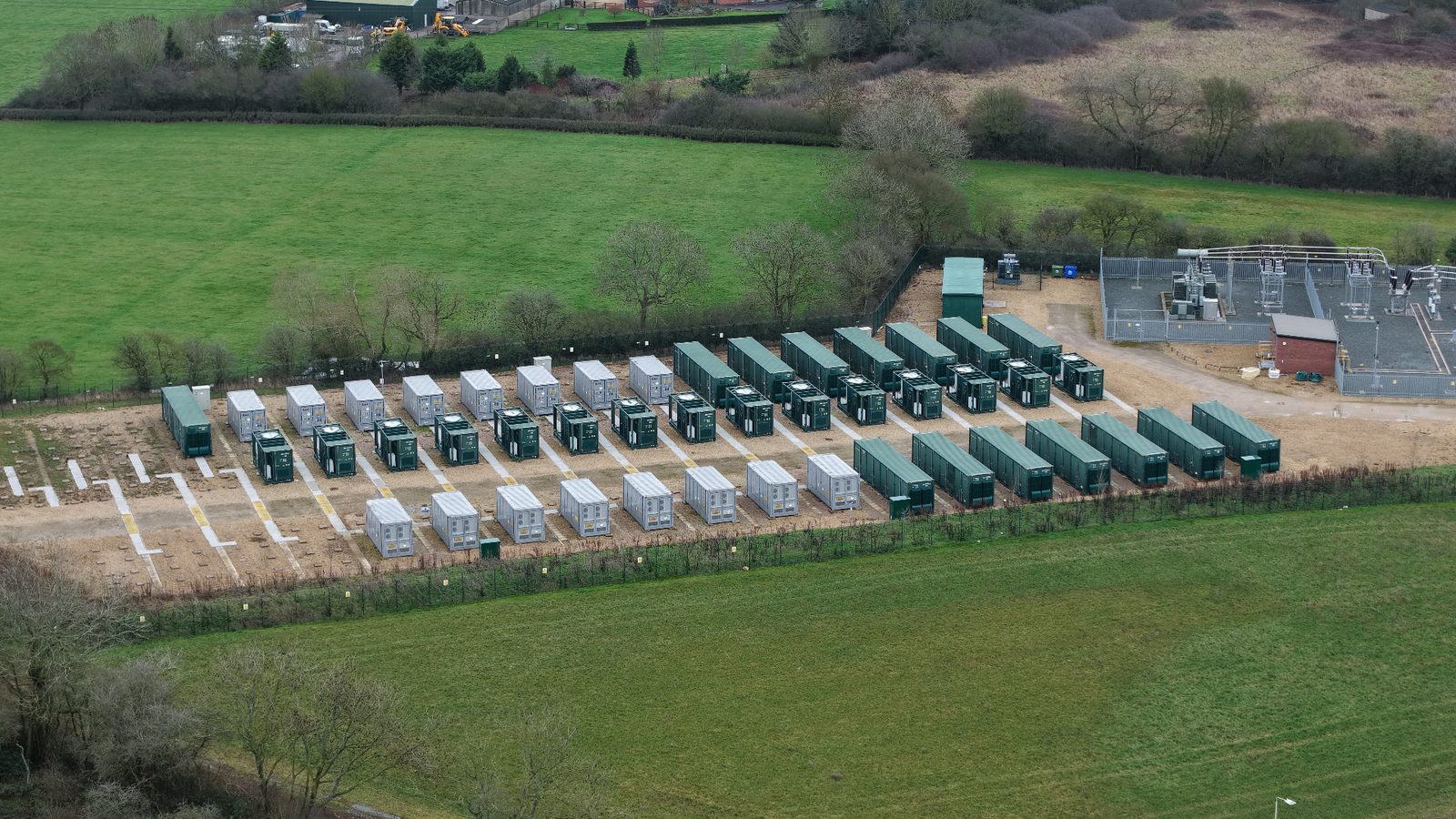
Where utility-scale BESS stands today
Lithium iron phosphate chemistry is now standard for utility-scale storage. LFP cell costs hit historic lows in mid-2025 but have since risen 15–30% as lithium prices rebounded sharply — though system-level costs have been more insulated, with cells now representing a smaller share of total project capex. The era of one-directional cost declines is over, at least for now. Sodium-ion is reaching early deployment in China at GWh scale, with pilot projects in North America and commercial rollout from major OEMs expected through 2026–27. On almost every metric, utility-scale BESS looks ready for institutional capital.
And yet, after acting as Lenders Technical Advisor and Owner's Advisor on operating BESS projects in Canada, the United States and Ireland, BTY consistently sees the same gap. The contracts, commissioning protocols and operating discipline have not kept pace with the technology.
Here is what the first wave of operating data is teaching us.
The warranty is not the risk allocation you think it is
Lenders often model 80% capacity retention at Year 10, but actual Tier-1 OEM warranties are frequently coming in lower. On a recent BESS portfolio financing, we found OEMs warranting just 70–71% at Year 10 — and one of those was conditional on idle SOC being managed at levels that materially constrain revenue optimisation in fast markets. At Year 20, most warranties target around 60% retention, which is broadly treated as practical end-of-life for financing purposes.
Warranties also age only as well as the supplier behind them. We are aware of instances where OEMs have declined to honour capacity warranties on degraded units, which makes balance-sheet strength and independent third-party testing non-negotiable rather than nice-to-have.
Recommendation
- Select for the cell OEM and the specific cell generation, not just the BESS integrator's brand.
- Require time-in-field statistics and operational data from comparable units.
- Where the cell supplier is Tier-2, ask for a patent guarantee or letter of credit backstop.
- Require UL 9540A thermal runaway certification as a minimum.
- Test to DNV-RP-0577 and pull the degradation scorecard into the financial model.
Commissioning is where the A team or the B team shows up
Capex bids have largely converged, but the variability in commissioning quality remains enormous. EMS and BMS systems need to be tuned to the specific grid, revenue model, and operating envelope — and when they're configured with generic settings, they tend to produce generic, often disappointing, results.
Recommendation
- Mandate a 30-day reliability run with liquidated damages for missing targets, per EPRI commissioning guidance.
- Hold back 10–20% of payment until performance is demonstrated.
- Write these requirements into both the EPC agreement and the O&M agreement.
Calendar fade is a financing risk, not a technical curiosity
The ITC cliff has incentivised early equipment procurement, but batteries begin degrading from the moment of manufacture — not commissioning. Calendar fade during storage is driven primarily by temperature and state of charge, and follows a non-linear curve that is steepest in the early months before gradually decelerating. Under poor storage conditions, first-year capacity loss for LFP cells can reach 2–3%, while under controlled conditions it is typically well under 1%. Either way, if the financial model assumes zero degradation before COD, it is overstating day-one performance.
Recommendation
- Confirm manufacture date relative to expected COD, and model degradation from manufacture rather than commissioning.
- Scrutinise pre-energization storage conditions — temperature and SOC are the key variables.
- Run an independent capacity test on receipt if needed.
- It is surprising how often all of this is routinely missed.
Operations are where the model meets reality
On the same portfolio, we found that EMS strategy alone could swing realised revenues by ±20% on identical hardware. Assets missed price peaks not because of hardware limitations but because of software configuration, and sites without remote restart capability prolonged every outage unnecessarily. The gap between a well-operated BESS and an underperforming one is rarely about the cells — it is almost always about the software, the data, and the operating discipline around them.
Recommendation
- Invest in software and data access.
- Require cell-level SOC/SOH visibility and operational data transparency, including change control on EMS/BMS updates.
- Implement independent asset monitoring separate from the operator.
- Require annual independent capacity tests witnessed by an Independent Engineer using a defined protocol.
- Set dispatch priority rules contractually when projects target multiple revenue streams.
The bottom line
Returns are earned at the contract stage and protected at the operating stage — not assumed because the technology is mature.
BTY acts as Lenders Technical Advisor, Independent Engineer, M&A Technical Advisor and Owner's Advisor on BESS, solar, wind and hybrid projects across North America and Europe. Our team has supported 100+ GW of renewable energy mandates and is trusted by top-tier lenders across the region.
To discuss a transaction, refinancing or portfolio under development, get in touch with our team.
Director at BTY with 15 years across the renewable energy lifecycle. Leads BTY's global Renewable Energy Services team, with direct experience on the financing, M&A and operations of 50+ GW of wind, solar and storage. (Ex-Wood, ex-Clir)